tl;dv

tl;dv

by tl;dv

Meeting recording, transcription, and AI-powered summarization tool.

Vendor
tl;dv
Website
Not available
Category
Operations
Department
General

Solution Overview

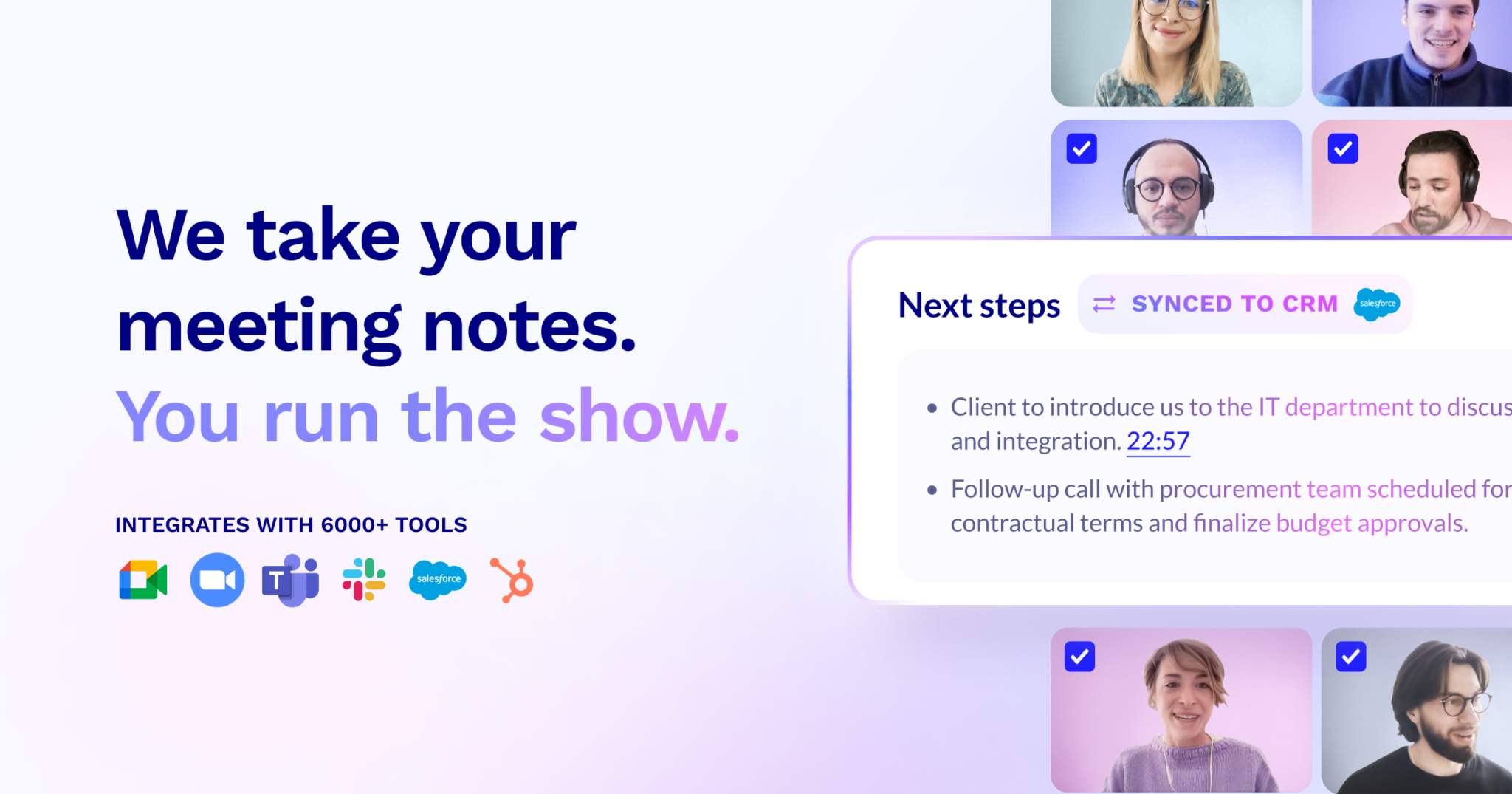
tl;dv integrates with Zoom, Google Meet, and Microsoft Teams to automatically record, transcribe, and summarize meetings, with moment marking and full-text search. Recover meeting content without replaying, as stated on the official site tldv.io.

Documents & Terms

Support materials and legal terms for this solution

Terms of Use

Review the terms of use and privacy policy for tl;dv.

View terms

Frequently Asked Questions

tl;dv is a meeting recording, transcription, and AI summarization tool, as stated on the official site tldv.io.

As of August 2026, there are 34 reviews published on the Nexforce Marketplace for tl;dv, with an average rating of 4.1 out of 5. Reviews cover topics such as meetings, pricing and value for money, and comparisons with market alternatives.

Cost is determined by your plan and number of users contracted. Via Nexforce, a quote is provided on the product page and your invoice is issued in BRL, with Nota Fiscal (Brazilian tax invoice).

tl;dv is contracted in Brazil through the Nexforce Marketplace. Simply request a quote on the product page; billing is in BRL, with Nota Fiscal (Brazilian tax invoice), and Nexforce handles the import tax chain.

Ready to save up to 50% on tl;dv?

Simulate your savings or talk to our specialists for a quote.

Solution Reviews

4.1

34 reviews

5
65%
4
9%
3
9%
2
9%
1
9%

Top Reviews

tl;dv é gratuito? Limites do plano free

O plano grátis do tl;dv entrega o suficiente, em reuniões? Esta análise mostra o que vem antes de qualquer upgrade. Se você está cansado de reuniões improdutivas e quer saber se o tl;dv realmente entrega o que promete, chegou ao lugar certo. Uso a ferramenta há alguns meses e vou contar tudo nos mínimos detalhes: o que funciona, o que deixa a desejar e, claro, se vale a pena investir seu tempo e dinheiro nela. Minha primeira impressão Quando baixei o tl;dv, estava cético. Afinal, existem dezenas de gravadores de reunião por aí. Mas a promessa de transcrições automáticas e clipes inteligentes me chamou a atenção. A instalação foi simples: uma extensão para o Chrome, login rápido e pronto. Na primeira reunião no Zoom, já vi o botão do tl;dv aparecer. Comecei a gravar e, no final, recebi um e-mail com a transcrição completa e os principais momentos marcados. A praticidade me conquistou na hora. Funcionalidades que mais gostei O destaque é a capacidade de gerar resumos automáticos. O tl;dv identifica tópicos, decisões e tarefas sem que você precise anotar nada. Outra função sensacional é a criação de clipes: você seleciona um trecho da reunião, a ferramenta gera um vídeo curto com legenda e compartilha via link. Isso economiza horas de edição. Além disso, a busca por palavras-chave dentro das transcrições é precisa e rápida. Em reuniões longas, a funcionalidade de pular para partes específicas salva o dia. Prós e contras na prática Entre os pontos positivos, destaco a integração com Google Meet, Zoom e Teams, além do plano gratuito generoso que permite gravar até 30 reuniões por mês. A interface é limpa e intuitiva. Por outro lado, a transcrição em português ainda apresenta alguns erros de reconhecimento de sotaques e termos técnicos. O plano pago, embora completo, pode ser caro para pequenas equipes. Outro detalhe: o tl;dv não funciona perfeitamente em todos os navegadores, testei no Firefox e tive alguns travamentos. Vale a pena para reuniões produtivas? Na minha experiência, sim, compensa. O tempo que economizo revisando reuniões e buscando informações específicas é enorme. Para profissionais que participam de muitas chamadas, o tl;dv se torna um verdadeiro assistente pessoal. A versão gratuita já é suficiente para testar e usar no dia a dia, mas quem precisa de análises mais profundas e relatórios deve considerar o plano Pro. Conclusão O tl;dv não é perfeito, mas cumpre o que promete com excelência. Se você busca mais produtividade e menos estresse pós-reunião, essa ferramenta é uma aposta certeira. Recomendo testar o plano gratuito e sentir na pele os benefícios. Acredito que depois de algumas gravações, você também vai se perguntar como viveu sem ela.

VS
Vijay Sehgal·Oct 8, 2025·via Product Hunt
View review

tl;dv é bom mesmo? Review de uso

Depois de testar o tl;dv por várias semanas, posso dar minha opinião sincera sobre se ele vale a pena. Eu estava cansado de perder detalhes importantes durante as reuniões online, seja no Zoom, Google Meet ou Teams. Por isso, decidi experimentar essa ferramenta de gravação e resumo automático. A promessa é simples: gravar, transcrever e gerar resumos inteligentes de cada chamada. Mas será que entrega tudo isso? No meu uso diário, percebi que a qualidade da transcrição é muito boa, especialmente em inglês e português. O recurso de destacar momentos importantes clicando em um botão durante a reunião é prático e ajuda a não perder o fio da meada. Além disso, a integração com o calendário permite que o tl;dv entre automaticamente nas reuniões, sem precisar lembrar de ativar a gravação. Isso é um grande diferencial para quem, como eu, vive esquecendo de apertar o botão. O resumo gerado pela IA é bem coerente, mas às vezes corta detalhes sutis que só quem participou entenderia. Ainda assim, para revisão rápida, funciona. Outro ponto que me chamou a atenção foi a facilidade de compartilhar os clipes. Você pode enviar um trecho específico para um colega que não pôde estar presente, e ele consegue ver exatamente aquele momento sem precisar assistir a reunião inteira. Isso economiza muito tempo. O plano gratuito oferece um limite de gravações, mas já dá para sentir o potencial. Para uso pessoal, a versão gratuita pode ser suficiente. Já para equipes, o plano pago desbloqueia funcionalidades como pastas e permissões. O preço não é dos mais baratos, mas comparado ao tempo que economiza, acredito que compense. No entanto, nem tudo são flores. Tive alguns problemas com quedas de conexão durante a gravação em reuniões muito longas. E, às vezes, a identificação dos falantes não fica perfeita, misturando vozes quando várias pessoas falam ao mesmo tempo. Mas, no geral, a ferramenta cumpre o que promete. Para quem lidera reuniões ou precisa documentar decisões, o tl;dv é um aliado valioso. Eu recomendo testar o trial para ver se encaixa no seu fluxo. No meu caso, ele se tornou indispensável. Eu não preciso mais anotar tudo freneticamente; posso me concentrar na conversa e confiar que a IA vai capturar o essencial. Essa liberdade faz toda a diferença. Além disso, o suporte é rápido e responde dúvidas em português. Se você está em dúvida se tl;dv vale a pena, minha experiência mostra que sim, principalmente se você participa de muitas reuniões e precisa de registros confiáveis.

LP
Letícia Paulino·Jul 7, 2025·via Product Hunt
View review

tl;dv vale a pena? Análise em reuniões

Na minha rotina como consultor que gerencia projetos com times espalhados pela América Latina, testei o tl;dv por alguns meses e descobri que o tl;dv vale a pena principalmente pela precisão com idiomas, mas não é uma solução mágica para todos os problemas de reunião. A ferramenta cumpre o básico muito bem, porém alguns detalhes me deixaram com um pé atrás. Vou contar exatamente o que funcionou e o que ainda precisa melhorar na minha visão. Transcrição multilíngue: o ponto alto que me fisgou O que realmente me fez continuar usando o tl;dv foi a capacidade de transcrever reuniões em espanhol latino-americano com uma fidelidade que eu não encontrava em outras ferramentas. Em um projeto específico com uma equipe da Argentina, as reuniões misturavam português e espanhol, e o tl;dv conseguia separar os idiomas sem confundir termos técnicos. Lembro de uma discussão sobre prazos onde o cliente usou a expressão dale nomás e o software transcreveu corretamente, mantendo o sentido. Isso me poupou horas de revisão manual. A integração com o Google Calendar também funcionou bem: as gravações começavam automaticamente, sem eu precisar lembrar de ativar nada. Porém, notei que em reuniões muito longas, acima de duas horas, a transcrição começava a apresentar pequenos atrasos e alguns cortes nas frases. Nada grave, mas perceptível. Outro ponto: a interface em si é limpa e intuitiva, mas a versão web às vezes travava quando eu tentava acessar gravações antigas. Apesar disso, a qualidade da transcrição nos primeiros 60 minutos é realmente impressionante, e por isso considero que o tl;dv vale a pena para quem precisa de precisão multilíngue no dia a dia. Onde o tl;dv fica aquém do esperado Nem tudo são flores. Um aspecto que me incomodou foi o resumo automático gerado pela IA. Em várias reuniões, o resumo perdia nuances importantes das discussões, especialmente quando haviam discordâncias ou debates acalorados. O algoritmo parece otimizado para reuniões lineares e objetivas, mas em brainstormings criativos ou sessões de feedback, os resumos ficavam genéricos demais, quase inúteis. Tive que voltar à transcrição completa para entender o que realmente foi decidido. Além disso, a funcionalidade de conversar com a gravação, que tanto elogiam, às vezes demorava a responder ou interpretava mal minhas perguntas. Uma vez perguntei quando foi definido o orçamento? e a IA me levou a um trecho onde se falava de cronograma, não de orçamento. Pequenos deslizes que quebram a confiança. Outro ponto é o preço: para uma equipe pequena como a minha, o custo mensal pesa um pouco se comparado a concorrentes como o Otter.ai ou o Fireflies. O tl;dv oferece um bom conjunto de funcionalidades, mas não acho que seja a melhor opção para quem tem orçamento apertado e não precisa de transcrição multilíngue. No fim, continuo usando a ferramenta porque a precisão em espanhol supera as frustrações pontuais. Mas recomendo que você teste o período gratuito com atenção, especialmente se suas reuniões forem muito dinâmicas ou longas. O tl;dv vale a pena para um perfil específico de usuário, não para todos.

ER
Elina Rebinset·Mar 28, 2025·via Product Hunt
View review
Learn about Operations
01

What is operations software?

Operations software is the broad set of platforms used to run the day-to-day work of a business — making things, moving things, scheduling people, tracking inventory, fulfilling orders, managing field work, and coordinating the processes that turn inputs into outputs. The category spans ERP suites, supply chain management, manufacturing execution, warehouse and inventory management, field service, project portfolio, and the workflow tools that connect them. The boundary is intentionally wide. What unifies the category is purpose: software that makes the operational engine of the business run faster, more reliably, and at lower unit cost. Modern stacks pair a system of record (typically an ERP) with specialized best-of-breed tools for the operations a business runs at scale.

02

Why invest in operations software?

Three forces explain the durable spend: • Visibility creates leverage. Most operational problems are diagnosed late. Real-time data on inventory, throughput, capacity, and customer demand turns reactive operations into proactive ones. • Coordination scales linearly without software. Adding people to coordinate manually multiplies overhead without multiplying output. Software absorbs the coordination cost and lets the team scale. • Compliance and audit are non-optional. Regulated operations carry mandatory tracking — lots, batches, certifications, chain of custody. Software is the only practical way to maintain that record.

03

Key features

The capabilities that define modern operations platforms group into seven areas: Planning and forecasting • Demand forecasting from historical and external signals • Supply planning with constraint awareness • Sales and operations planning (S&OP) cycles • Scenario modeling for capacity and inventory Execution • Order management across channels • Production scheduling and work order management • Procurement and supplier management • Logistics planning and route optimization Tracking and visibility • Real-time inventory across locations • Asset and equipment tracking • Work-in-progress monitoring • Customer order status Field operations • Dispatch and route optimization • Mobile work order management • Parts and inventory in the field • Customer notifications and signatures Process automation • Workflow orchestration across systems • Exception handling and approval routing • Document automation (POs, invoices, BOLs) • Integration with finance, CRM, and HR Analytics and intelligence • Operational dashboards by site, line, route, or team • Throughput, cycle time, and quality metrics • Predictive maintenance and failure detection • AI-driven anomaly detection Collaboration • Cross-functional process visibility • Supplier and customer portals • Incident management and root cause analysis • Knowledge capture and SOP management

04

Benefits

Operations programs that mature their software report three durable outcomes: • Lower unit cost. Better planning, less waste, fewer expedites, and tighter inventory translate directly to margin. • Higher service levels. On-time, in-full delivery improves when planning, execution, and communication are coordinated end-to-end. • Faster response to change. Demand shocks, supply disruptions, and labor shifts get absorbed faster when the data infrastructure exists to detect and respond to them.

05

Who uses operations software?

• COO and operations leaders — overall responsibility for operational performance • Supply chain and procurement — sourcing, planning, supplier management • Manufacturing and plant operations — production scheduling and execution • Warehouse and logistics — receiving, picking, shipping, returns • Field service teams — dispatchers, technicians, parts coordinators • Project portfolio management — for project-based operations • Finance and IT — partners in ERP ownership and process design

06

How to choose operations software

Operations software has long implementation cycles, deep dependencies, and high switching cost. Evaluate against these criteria: 1. Industry and process fit Generic ERP rarely beats industry-specific platforms in narrow verticals. Manufacturing, distribution, services, healthcare, and project-based businesses have different defaults. Choose for fit before extensibility. 2. Real-time vs batch architecture Some platforms refresh data nightly; others stream events continuously. The decision affects how quickly issues surface and how quickly the team can react. 3. Mobile and field-friendly Operations rarely happen entirely at desks. Test the platform on the devices used by warehouse workers, technicians, drivers, and floor supervisors — not just on laptops. 4. Integration with finance and CRM Operations sits between sales and finance. The platform must exchange data cleanly with both, or the business will run on reconciliation work. 5. AI maturity Predictive maintenance, demand forecasting, route optimization, and exception triage are increasingly AI-driven. Confirm what is production-ready vs marketing. 6. Implementation complexity ERP implementations are notorious for time, cost, and disruption. Modern cloud-native platforms have compressed deployment, but enterprise-scale implementations still take months to years. 7. Total cost of ownership License, implementation, customization, ongoing operations, integration, and training all stack. Insist on transparent five-year TCO before commitment.

07

Implementation considerations

• Map the process before configuring. A clear current-state and target-state process map is the foundation of every operations software implementation. Skipping this step is the most common source of project failure. • Phase the rollout. Big-bang go-lives carry outsized risk in operations. Pilot, learn, expand. Many of the worst stories in enterprise IT come from rushed operational cutovers. • Plan the data migration carefully. Master data — items, customers, suppliers, locations, BOMs, routings — must be clean before it moves. Cleaning later is much harder. • Train the people on the floor, not just in the office. Operations software is used by people whose primary job is not software. Training that respects their time and context drives adoption. • Build a stabilization phase into the plan. Productivity typically drops after go-live and recovers over weeks or months. Plan for it explicitly rather than being surprised.

08

Pricing models

Operations software pricing typically combines: • Per user / per seat — for office and back-office users • Per device or per terminal — for floor and field workers • Per transaction or per order — usage-based for high-volume execution platforms • Per site or per facility — for ERP and execution suites • Implementation services — frequently a multiple of the annual license Pricing complexity is real — model the cost against realistic usage at scale before signing.

09

Trends shaping operations in 2026

• AI-driven operations. From demand forecasting to dispatch optimization to predictive maintenance, AI is moving from niche to baseline across operational disciplines. • Composable ERP. The monolithic enterprise suite is yielding to composable architectures that combine specialized modules over a common data platform. • Real-time visibility. Continuous streams of operational data — from IoT devices, GPS, scanners, and integrations — replace batch reports as the primary management surface. • Resilience over efficiency. After recent supply shocks, organizations are rebalancing toward resilience: more dual-sourcing, more buffer, more visibility into upstream risk. • Autonomous workflows. AI agents that triage exceptions, reroute shipments, reschedule production, and reorder stock without human approval are appearing in production for bounded use cases.

10

Frequently asked questions

What is ERP? Enterprise resource planning is an integrated software suite that runs the core financial and operational processes of a business — accounting, procurement, inventory, manufacturing, HR, and more — on a single data platform. What is the difference between ERP and operations software? ERP is one type of operations software — the broad system of record. The category also includes specialized platforms (warehouse management, field service, project portfolio) that may integrate with ERP or operate independently. What is S&OP? Sales and operations planning is the cross-functional process that aligns demand forecasts with supply plans and financial targets, typically on a monthly cycle. It coordinates sales, operations, finance, and product around a single plan. What is predictive maintenance? Predictive maintenance uses sensor data and analytics to predict equipment failures before they happen, allowing maintenance to be scheduled rather than reactive. It reduces both downtime and maintenance cost. Can AI replace operations roles? AI replaces tasks within roles rather than roles themselves. Operations work involves significant judgment, relationship management, and physical-world execution that AI does not yet handle. The mix of work changes; demand for skilled operators does not vanish. What is the difference between MRP and ERP? Material requirements planning (MRP) is the planning engine inside an ERP that calculates what to make and buy. ERP is the broader suite that includes MRP plus finance, sales, HR, and other functions. How long does an operations software implementation take? Lightweight, cloud-native deployments for mid-sized businesses can go live in three to nine months. Complex enterprise implementations with multi-site, multi-entity, and heavy customization scope can span two to four years. ---
tl;dv